Wildfire ash on solar panels in Santa Clarita
Fire season leaves ash on roofs across the Santa Clarita Valley. Here is why it should come off the panels soon, and how to do it without damaging them.
September 15, 2026
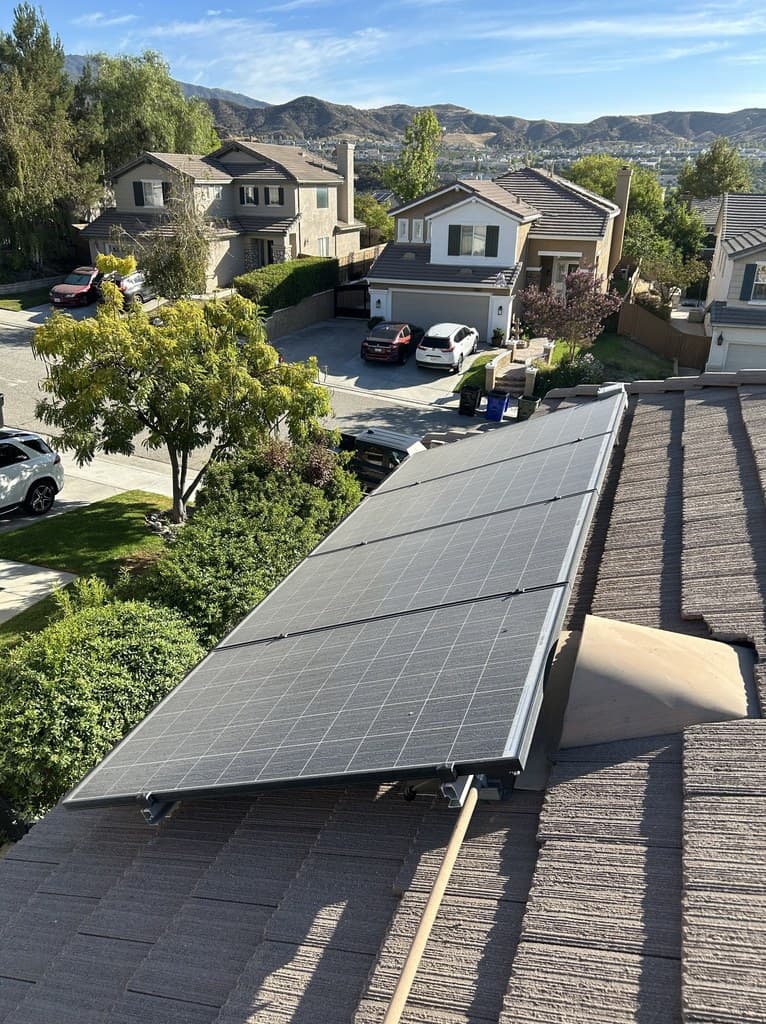
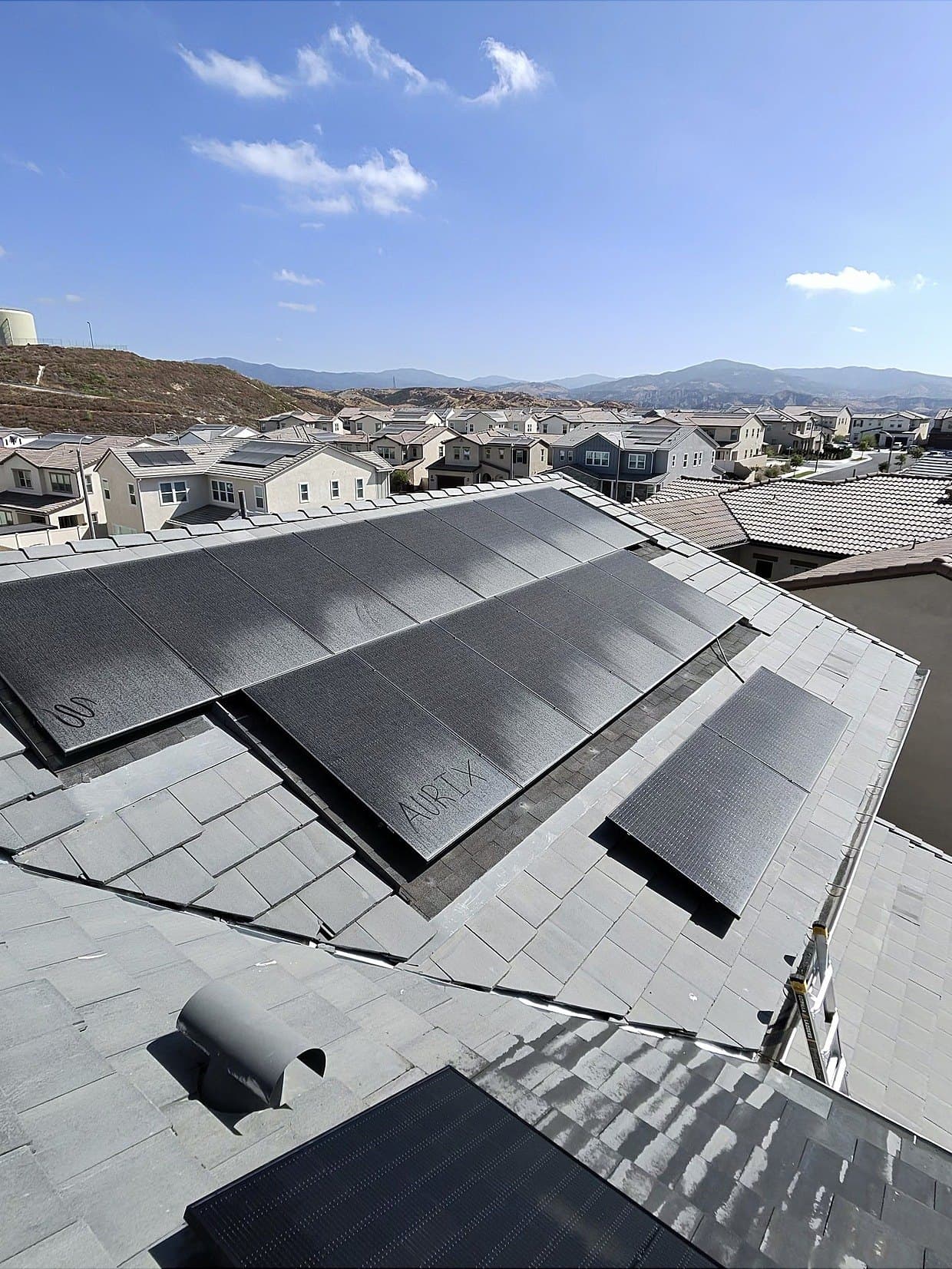
Anyone who has lived in the Santa Clarita Valley through a fall has seen it: a fire burns somewhere in the surrounding hills, the Santa Ana winds pick up, and a gray layer settles over cars, patios, and roofs across the valley. On the roof, that layer lands squarely on your solar panels.
Most homeowners assume the next rain will take care of it. Here, the next meaningful rain is often months away, and ash is one of the worst things to leave sitting on glass.
Why ash is worse than ordinary dust
Wood ash is fine, alkaline, and slightly sticky once it picks up moisture from morning dew. Unlike loose dust, which a strong wind can partly move, ash tends to settle into a film that clings to the glass. Through a few hot afternoons that film dries and bonds, and a light shower later usually turns it into streaks rather than washing it off.
A panel makes power from the light that reaches its cells. A gray film across the array is light the system never gets to use, and on the dark, heat-absorbing surface of a panel in a Santa Clarita fall, it bonds faster than it would on a cooler surface.
What not to do
- Do not pressure wash. High pressure can force water past seals and damage the glass coating, and it will not remove bonded ash any better than a soft brush.
- Do not scrub with abrasive pads or household cleaners. They leave micro-scratches or a residue that attracts more dust.
- Do not dry-brush the ash off. Dragging fine grit across the glass without water is how panels get scratched.
- Do not use a garden hose and walk away. Santa Clarita tap water is hard, so it dries into mineral spots on top of whatever ash is left.
- Do not climb onto the roof yourself, especially when ash and dew make the surface slippery.
How ash should come off
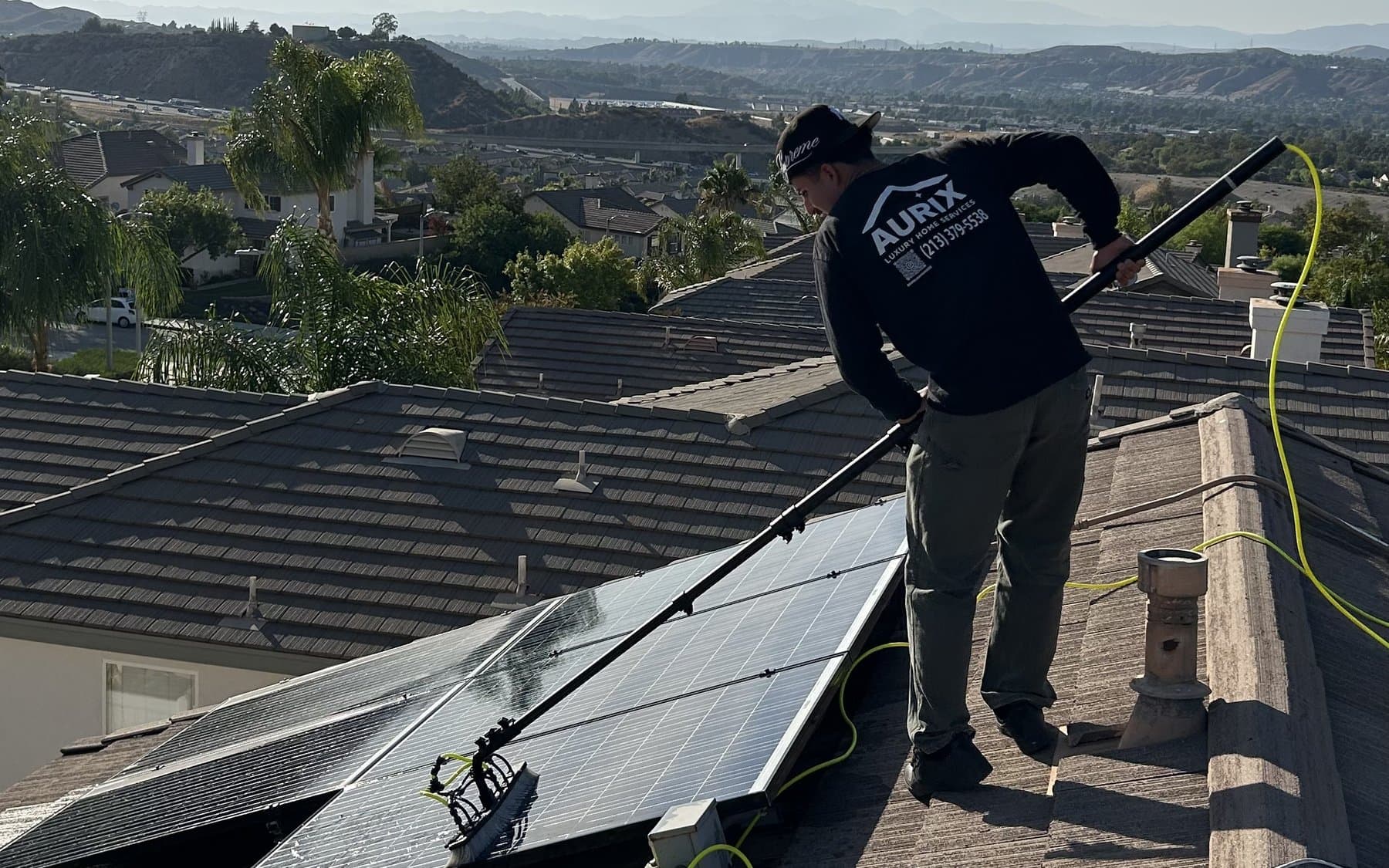
The safe method is plenty of purified water and a soft-bristle brush. The water loosens and carries the ash away, the soft bristles lift the bonded film without scratching, and because purified water has no dissolved minerals, it dries clear instead of leaving new spots. Wherever the array can be reached from the ground, a water-fed pole keeps everyone off the roof.
Timing matters more than most people expect. Once the air quality is safe to work in, the sooner the ash comes off, the less time it has to bond. A cleaning in the weeks after a fire is simpler than one after an entire dry season.
Check underneath while you are at it
Fire season also pushes birds toward sheltered spaces, and the gap under a solar array is one of the most sheltered spaces in a neighborhood. Whoever cleans your panels after an ash event should look under the perimeter as well as across the glass, and photograph what they find.
Hillside and canyon neighborhoods catch the most ash: Stevenson Ranch, Castaic, the east side of Canyon Country, Placerita Canyon in Newhall, and Porter Ranch over the hill. If you are in one of them, plan on a cleaning after every significant fire nearby, on top of your usual schedule.
Need a hand with this?
We handle it across Santa Clarita and the surrounding valleys.