How to tell if birds are nesting under your panels
The gap between a panel and the roof is warm, dry, shaded, and invisible from the ground. Five signs it is occupied, and what can legally be done about it.
August 19, 2026
Almost nobody discovers this by looking. They hear it. Scratching or cooing directly overhead early in the morning, coming from a part of the roof there is no obvious reason for anything to be in.
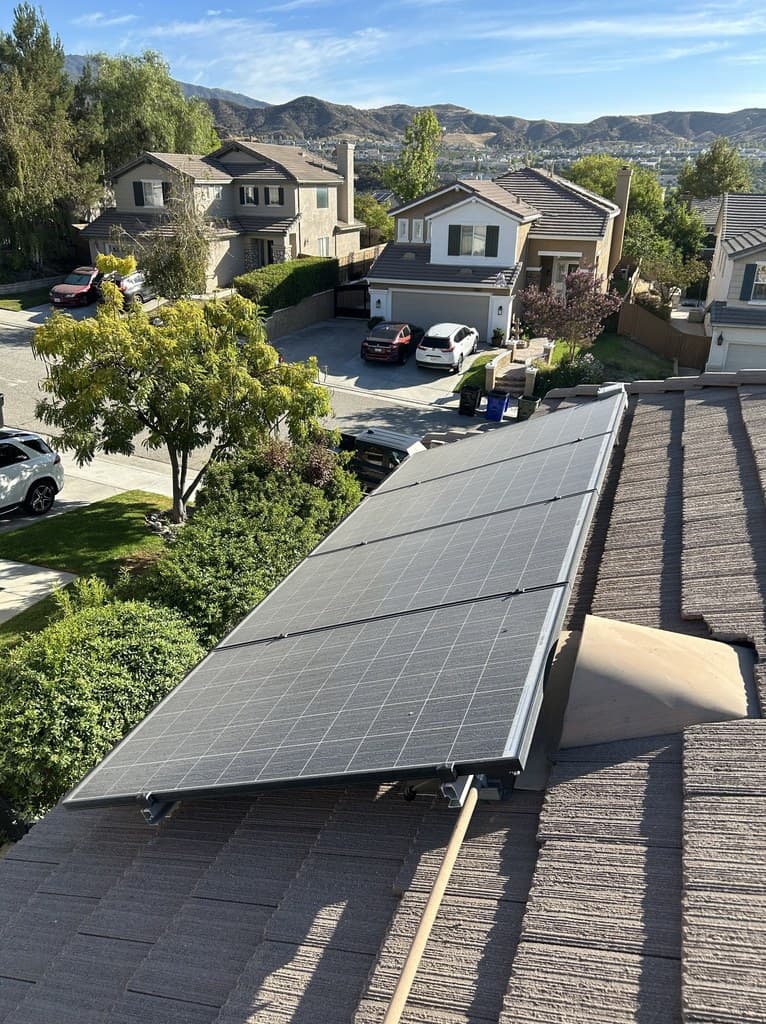
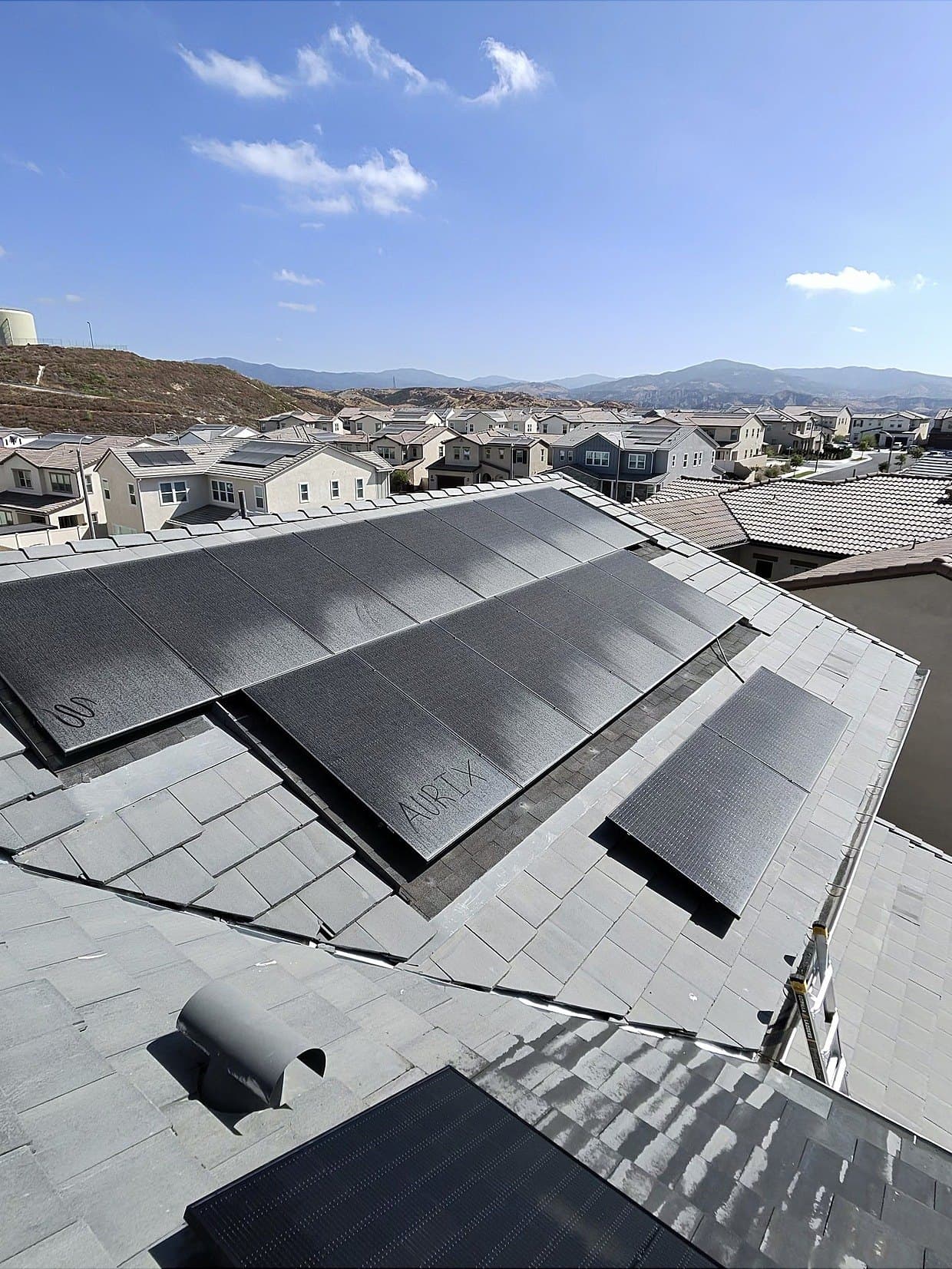
A rooftop solar array leaves a gap of a few inches between the panel and the roof surface. It is warm, dry, permanently shaded, enclosed on five sides, and completely out of reach of anything that would normally discourage a bird from settling there. From a pigeon’s point of view it is close to ideal housing, and because you cannot see into it from the ground, the activity is usually well established before anyone notices.
Five signs worth checking for
- Noise overhead. Scratching, cooing, or flapping from beneath the array, loudest at dawn.
- Concentrated droppings. Streaking down the wall or across the driveway below one section of the roofline, rather than scattered randomly.
- Nesting material at the panel edges. Twigs, straw, or feathers pushed out past the frame.
- Debris in the gutter run directly under the array. Material that works loose ends up there, and blocks it.
- A consistent approach line. Birds landing on the same corner of the array again and again usually marks the entry point.
Why it is worth dealing with
Droppings and nesting material accumulate on the roof surface underneath the panels, in the one area of the roof that is genuinely difficult to reach. Material works loose into the gutter below. And the space stays attractive, so once a site is in use it tends to keep being used.
What can and cannot legally be done
This is the part where you should be skeptical of anyone who answers too quickly. Many bird species and their active nests are protected under state and federal law, and the liability for interfering with them reaches the property owner, not just the contractor. Nobody should be removing an active nest, or eggs, or young, from your roof. If a company offers to, that is a reason to call someone else.
What can be done is prevention. Once a nest has been naturally vacated, accessible inactive debris can be removed, the affected area cleaned, and mesh fitted around the exposed perimeter of the array so the gap stops being an easy place to settle. Done properly, the mesh clips to the panel edge and the existing mounting rail rather than being drilled into panel frames.
No barrier controls what birds do on the rest of a property, and nobody can honestly promise they will never come back. What a good installer can stand behind is the workmanship: that the mesh they fitted stays fitted, and that if it loosens or opens a gap because of how it was installed, they come back and repair it.
Need a hand with this?
We handle it across Santa Clarita and the surrounding valleys.